
Über Prolight + Sound Middle East
Palme Middle East ist eine Trade-Show bzw. Messe in Dubai. Auf dieser Messer geht es Sound, Licht, Audio, Musik und das zugehörige Zubehör. Ein Thema der letzten Messe – bei der um die 5.000 Besuchen waren – war der Recyclingkreislauf.
Durch die stetige Weiterentwicklung der Technik haben die Menschen immer mehr alte Elektronik Zuhause herumliegen.
Wir setzen uns dafür ein, dass dieser Elektroschrott nicht im normalen Müll landet, nachdem Unternehmen oder Privatpersonen sich mit neuer Technik eingedeckt haben, sondern dass er fachgerecht entsorgt wird. Was besonders für Privatpersonen lohnenswert ist, dass dieser Schrott beinhaltet immer noch wertvolle Metalle wie Silber, Aluminium, Kupfer oder Blei.
Kabelrecycling
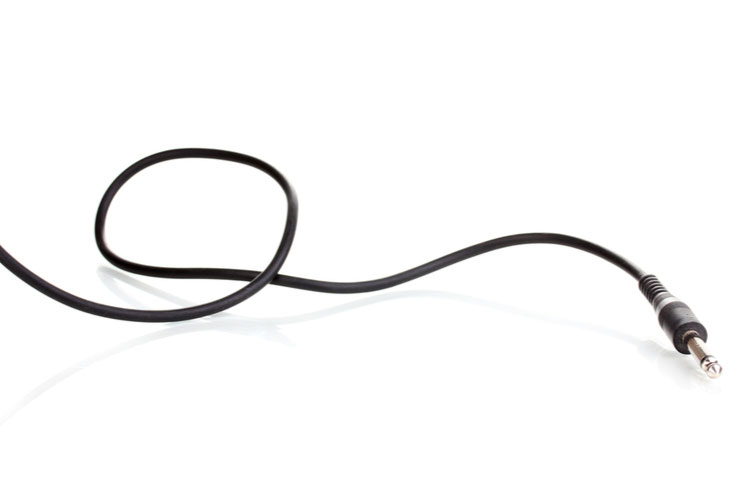
Als Kabelrecycling wird die Rückführung von entsorgten Daten- und Stromkabel in den Wertstoffkreislauf bezeichnet. Im Bereich Recycling rangieren alte Kabel wie Kupfer, PVC, Aluminium mit einem hohen Rückkaufswert.
Kabelrecycling, darunter versteht man den Verkauf alter Kabel, welche irgendwann einmal irgendwo verbaut wurden und jetzt überfällig geworden sind. Derartige Kabel finden sich in Abbruchhäusern, Maschinen, Telefon und überall dort, wo es ohne Stromkabel nicht funktionieren würde.
Nun lassen sich nicht alle Kabel über einen Kamm scheren, da es eine Vielfalt von Kabelschrott gibt, das auch im Preis unterschiedlich zu bewerten sind.
Laufen alte Stromkabel unter Kabelschrott oder auch unter Elektronik?
USB-Kabel, – Stromsteckerleisten, – HDMI-Kabel laufen unter dem Begriff der passiven Geräte. Seit dem 1. Mai 2019 werden auch diese Kabel als Elektroschrott entsorgt. Die elektrischen Leiter in den Kabeln bestehen hauptsächlich aus Aluminium, – Kupfer – Stahl – Blei – und Silber. Ummantelt sind die meisten Stromkabel mit Isolierung von PVC, Epoxide, und Nylon.
Welche Kabel gibt es?
Zum Wiederverkauf ist Kupfer und Aluminium der interessanteste Rohstoff. Im Inneren aktueller Kabel besitzt Kupfer eine rotbraune bis rötliche Farbe. Altes Kupferkabel sieht eher bläulich mit einer grünlichen Patina-Schicht aus. Da jedoch nahezu alle Kabel über eine Ummantelung als Isolierung verfügen, sind sie im Inneren weitgehend vor Verwitterung geschützt.
Als Bezeichnung fallen diese Kabel unter Kabelkupferschrott. Am besten lassen sich Einleiter – und Mehrleiterkabel unterscheiden. Einleiter bedeutet hier, dass das Kabel aus einem Stück Kupferdraht mit Ummantelung besteht. Hauptsächlich werden die Einleiterkabel wegen der knappen Isolierung als Kabel für Elektriker verwendet. Diese Kabel besitzen in der Regel einen Kupferanteil von 60 Prozent.
Ferner gibt es noch weitere Kabelsorten neben aktueller Kabeln, die blankes Kupfer enthalten. So sind auch verzinnte Kupferkabel in den unterschiedlichsten Anwendungsbereichen zu finden. Hier liegt dann der Kupferanteil bei weniger als 100 Prozent. Bei geschältem Material gestaltet sich die Einordnung als Kupfer 1 A / Berry (98 %) Kupferanteil oder auch bei einem noch höheren Zinn-Anteil als Kupfer gemischt mit 95 % Kupferanteil.
Wie ist der Ablauf aktueller Recycling Vorgänge beim Schrotthändler?
Ein guter Weg ist, wenn Sie die alten Kabel zu einem Schrotthändler bringen. Kupfer ist das heimliche Gold und in den Kabeln befindet sich genug davon. Somit lockt auch noch ein Gewinn. Kleiner Tipp: Sie können Kupferkabel mit mindestens 38 % Cu – 60 % Cu –und 70 % Cu, sowie alte Kupferkabel mit Isolierung, Stecker, Bleikabel, Aluminiumkabel und das Kabelschälblei an einen Schrotthändler zum Kabelrecycling verkaufen.
Wie kann ich einen guten Preis für Kabelschrott erzielen?
Es gilt grundsätzlich die Regeln: Mit der Höhe des Kupferanteils in dem Kabel steigt auch der Wert des Materials und dementsprechend steigt der Preis, welcher beim Verkauf von Kabelschrott erzielt wird. Abhängig ist das ganze Programm von dem jeweils aktuellen Schrottpreis pro Kilo für Kupferkabel und andere Kabelmaterialien.
Kupferkabel mit Isolierung verkaufen > Wonach richten sich die Kupferpreise?
Kunststoff Anhaftungen, Plastikstecker und zusätzliche Isolierungen verringern prozentual den Kupferanteil und somit auch den Wert, da das Recyceln des Materials weniger ertragreich und aufwendiger ist.
Bei einer vollständigen Schälung enthält das Kupfer meistens reines Kupfer der Sorte Aludraht oder Millberry.
Eine Trennung nach Sorte ist wichtig. Übernehmen Sie die Trennarbeiten des Kabelschrotts (die mit Isolierung entfernen), können Sie einen höheren Preis erzielen.
Es gibt natürlich auch Geld für Mischschrott in einem kleinen Rahmen, da dann der Schrotthändler die Trennung übernimmt.
Wenn Sie keine Zeit haben und Ihnen die Sortierung zu aufwendig ist, kann das alte Kupferkabel auch mit Stecker verkauft werden.
Ein Sprichwort, sagt: „Geld, liegt auf der Straße“. In Deutschland fallen jährlich 1,7 Millionen Tonnen Elektroschrott an, der häufig nicht entsorgt wird. Alte Wasserkocher, Handys und Toaster landen hauptsächlich im Hausmüll. Diese Geräte enthalten wertvolle Metalle und Erden, mehr dazu auf coppermine2012.com. Einige dieser Teile können wiederverwertet werden, andere lassen sich verkaufen.
Recycling Kupfer und Aluminium stehen qualitativ im Vergleich auf gleicher Stufe wie aus Rohstoffen erzeugte Losen. Alle Materialien aus dem Kabelschrott sind wichtige Komponenten für neue Transformatoren und Motoren. Permanent steigt der weltweite Aluminiumbedarf an und rekrutiert sich bisher nur zu 30 % aus recycelten Produkten.
Was wird aktuell pro Kg gezahlt?
- Kabelschälblei 1,00 €/ kg
- Kupferkabel mit Stecker 0,80 € pro kg
- Kupfer, blank I, Millberry 5,19 € pro kg
- Kupferkabel mit 38 % Cu 1,44 € pro kg
Wie viel bekommt man für 1 kg Kabel (08.2020)?
- Kupfer-Schrott Raff 4,35 € pro Kilo
- Kupfer-Kabel 40 % 1,35 € pro Kilo
- Kupfer-Kabel 60 % 2,00 € pro Kilo
- Kupfer-Kabel 80 % 2,80 € pro Kilo
Was kostet 1 Kilogramm Zinn im Vergleich?
- Zinn 5,00 € / kg
- Zinn mit weniger als 90 % 3,00 € / kg
Wie viel bekomme ich für 1 Kilogramm Kupfer?
- 1 Kilogramm reines Kupfer bringt derzeit einen Preis von 4 bis 6 Euro.
- Mit ein wenig Glück finden Sie auf alten Abbruchgrundstücken noch Kabelreste und könne diese Kupferkabel verkaufen.